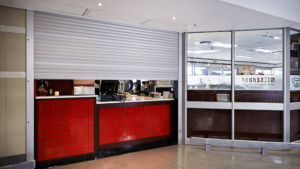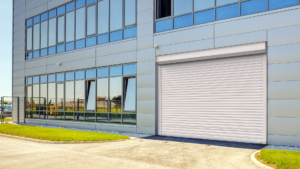
Statistics for 2024 show that just under 70% of South Africans live in urban areas and the numbers are growing. This increase in people adds to problems that already exist, like crime and violence. The rapid development of urban areas has forced us to think about how we develop safer living and working spaces.
When considering new developments, urban designers and developers are faced with the challenge of how to secure homes and buildings without turning them into prisons. High walls, electric fences, and bulky burglar bars do have their place. But subtle security can make urban places feel safe without making them look like fortresses.
Modern innovations like clear security barriers are transforming how South Africans think about security. Mesh screens and clear burglar bars blend seamlessly into the background of residential and commercial spaces. New burglar bar designs provide cost-effective, robust protection against intrusion.
The Reality of Building Design in South Africa
South Africans are well aware of the crime rates in their country. Every year, the South African Police Service records tens of thousands of house burglaries and business robberies. This has been a strong driver of the mass movement into secure estates with a well-planned safety infrastructure.
For many urban residents, however, this type of lifestyle change is unaffordable. Or they are reluctant to leave a home they’ve lived in for many years but is vulnerable to crime. And the reality is that even in secure estates there is a risk of petty theft and other non-violent crimes. Physical protection, therefore, is an unavoidable design concern.
Modern urban security solutions have moved beyond the fortress style that has dominated urban landscapes since the 1980s. Developments in the barrier security industry over the last few decades show that security can be both strong and beautiful when embedded early in the design process.
There is an economic payoff to build in protection too. Developers increasingly recognise that design-integrated security adds both property value and social cohesion. Buyers are willing to invest in homes that feel safe without affecting the look of the property.
Barriers have Evolved over Time
Barrier security refers to systems that physically deter intrusion while maintaining transparency, ventilation, light penetration, and visual coherence. These include:
- Mesh screens that protect windows and doors without obstructing views.
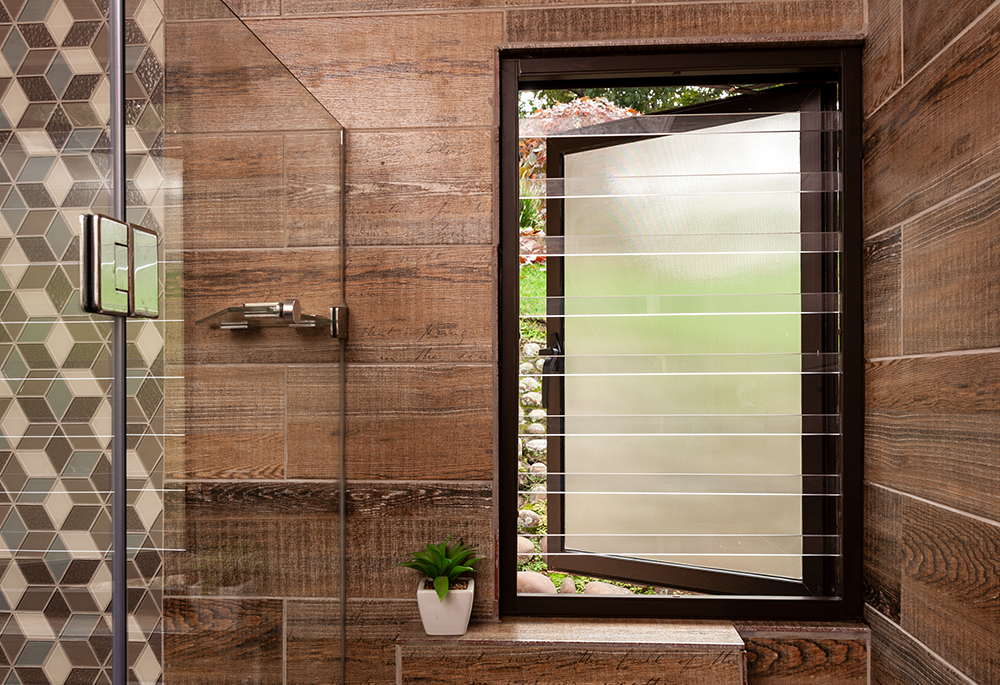
- Decorative louvre shutters with built in impact resistance.
- Fixed burglar bars integrated into the building rather than applied as afterthoughts.
- Framed, fixed clear burglar bars that are unobtrusive and virtually unnoticeable.
These fixed security bars for buildings merge attack strength with visual lightness. They are not aggressive forms of protection, but they are effective. They allow people to keep an eye on what’s happening outside while remaining safe inside their homes. The barriers also prevent anyone from being caught unawares by intruders in their home.
How Fixed Barriers Strengthen Urban Development
1. Visual Integration
Steel security bars can sometimes conflict with contemporary architecture and are often forbidden by the developers of secure estates. They are seen as unnecessary in developments with peripheral protection. The owners of free-standing homes can be equally against this type of protection. They don’t want their beautiful properties spoiled by a façade covered in metal bars.
Discreet barrier systems, however, can become subtle design features. Mesh screens can double as solar filters and create privacy. Louvre shutters can modulate light, airflow, and privacy. Poly guard panels allow for airflow as well as invisible protection.
Fixed steel burglar bars are often chosen for lower cost homes because they’re within most people’s price range. These can be visually integrated through powder coating them to match the home’s window frame or wall colour.
2. Natural Ventilation and Energy Efficiency
Newer mesh, shutter, and fixed window security technologies allow air circulation while maintaining protection. This is important in a warm country like South Africa, with energy constraints and power outages. People want to feel free to open windows and doors without the fear of attack or robbery by opportunistic thieves.
3. Improved Social Cohesion
High walls and thick steel bars don’t encourage neighbourliness. They communicate fear, distrust, and isolation. Crime Prevention Through Environmental Design (CPTED) research shows that perceived safety improves when residents can see and be seen.
Subtle fixed security for windows and doors strike a balance. They are a far less visible or aggressive form of protection. The message is that the property is safe but not sealed off from the community.
4. Maintenance and Durability
Poorly maintained security measures signal neglect and can attract opportunistic crime. Modern barrier systems are simple to clean and maintain, giving the appearance of strength and acting as a crime deterrent.
These barriers are manufactured using high quality materials and corrosion-resistant coatings. The result is long-lasting barriers even when they’re installed in coastal cities where humidity and salt accelerate decay.
It is important that homeowners take responsibility for maintaining their security systems. A simple cleaning regime that follows the manufacturer’s instructions keeps these barriers in prime condition for many years.
The Materials and Technologies Redefining Protection
1. Woven Steel Mesh
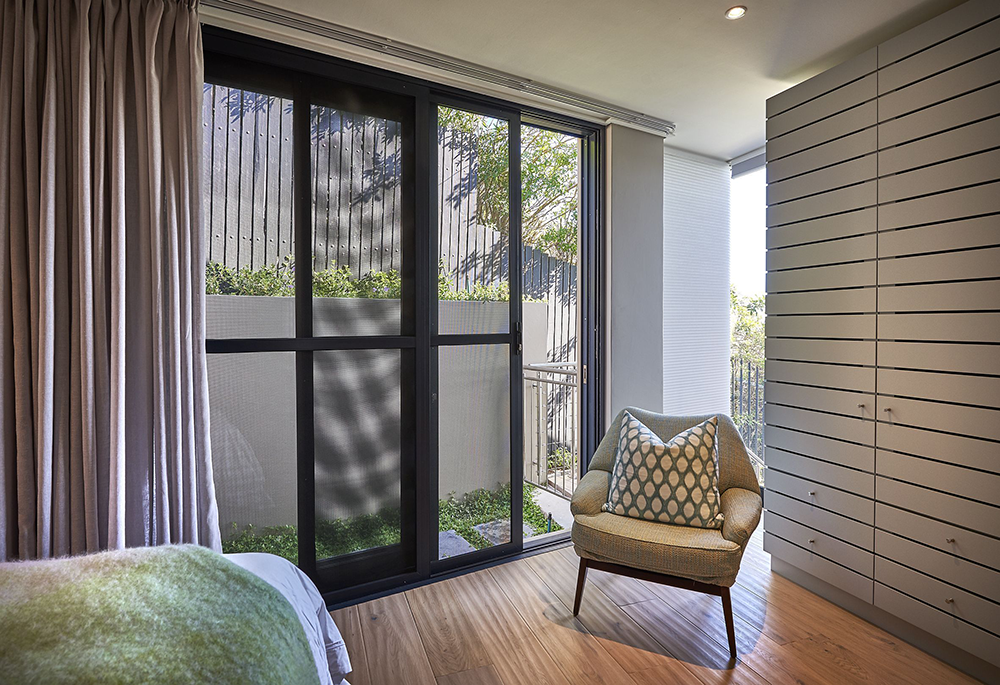
Clear guard mesh is highly resistant to cutting and corrosion and allows a high degree of optical transparency. It’s used to protect windows, doors, balconies, and patios. It is popular for homes as well as businesses that need subtle protection.
2. Reinforced Aluminium Louvres
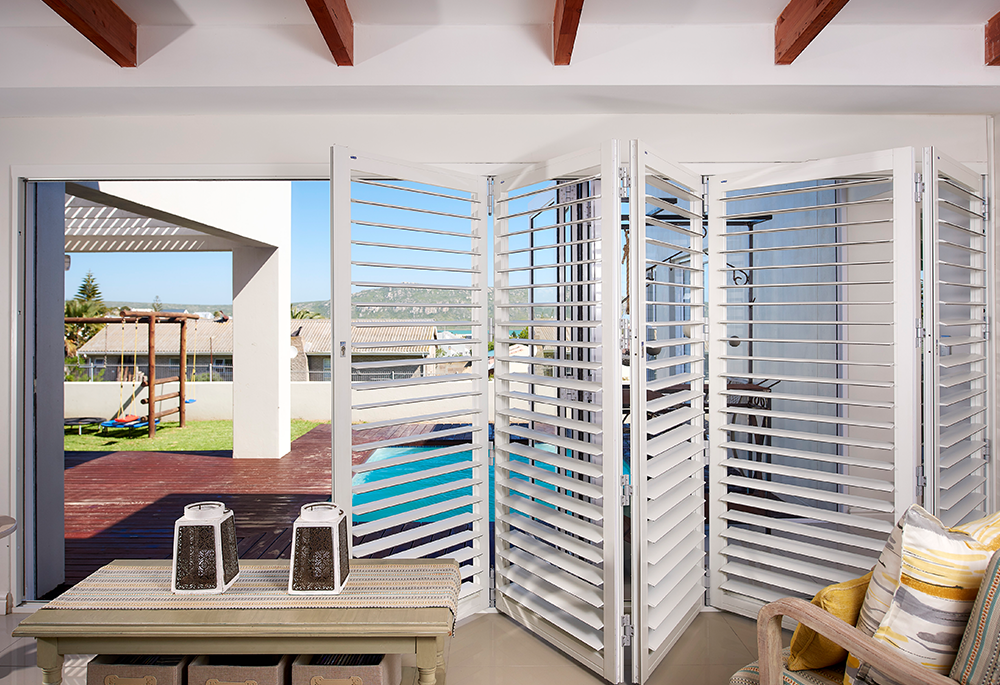
These are lockable and strong against forced entry. They provide adjustable shading and airflow as well as protection. Tilted louvres prevent passersby from seeing inside when necessary.
3. Polycarbonate Panels
High-strength polymer composites are visually lighter than metal window bars. They’re non-corrosive and when framed, they integrate seamlessly to provide access control. Because they’re almost invisible, this form of window protection is favoured by those living in secure estates where metal bars and not allowed.
4. Tamper Proofed Fixed Burglar Bars
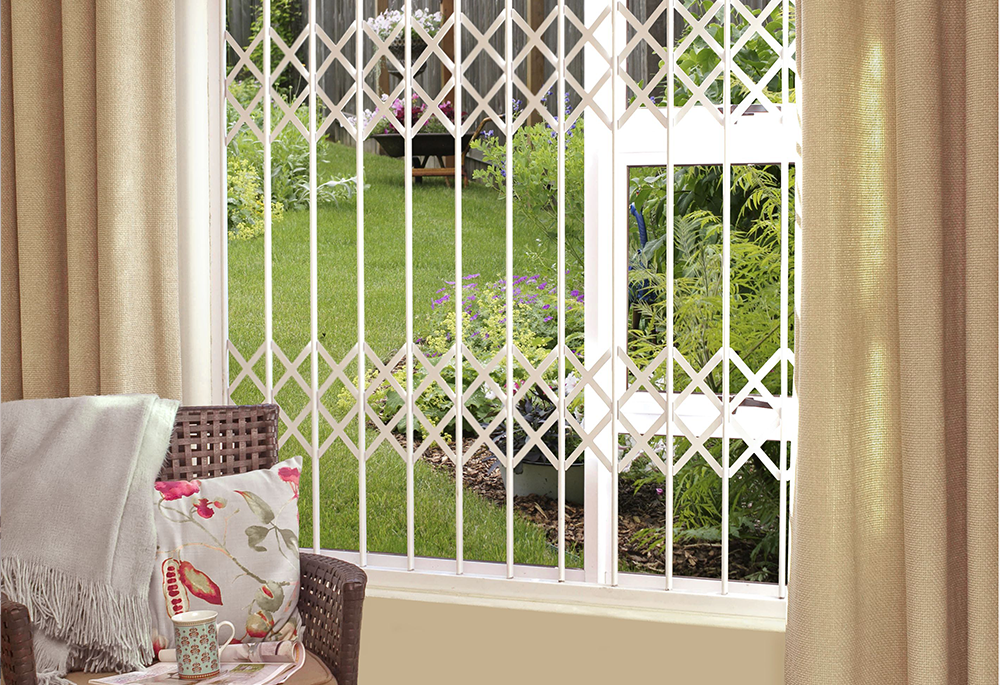
Modern galvanised steel burglar bars are strong and dependable protection for windows but still affordable for most households. ‘Inexpensive’ doesn’t have to mean ‘unreliable’ when custom manufactured by a trusted supplier.
Design Strategies for Security Barrier Integration
1. Early collaboration between architects and security consultants
Ideally, safety measures should be part of the design concept from the outset, not added later. Early integration gives architects and developers more control over the end result of fitting security barriers. Security for new developments stands to benefit from this type of forward planning.
2. Work together with natural surveillance
See-through security barriers allow people to see streets, gardens, communal areas, and courtyards. Align sightlines, lighting, and landscaping to amplify this benefit.
3. Balance privacy and openness
Angled louvres and mesh screens provide selective visibility. Residents can see out, but passersby cannot easily see in. This balance allows people to be private without feeling isolated.
4. Design for retrofitting
In existing buildings, customised barrier systems can upgrade safety without heavy renovation. This is essential for additions and alterations, buildings with poor security, people traumatised by a recent break-in, and low-income housing with no protection.
5. Consider environmental factors
Security for South African homes should be made from materials that resist corrosion, vandalism, and weathering. Finishes must be able to withstand UV exposure and harsh conditions, either coastal or inland. They also need to be easy to clean.
In conclusion, everyone stands to benefit from the creation of safer spaces, except criminals. There is no stopping the urbanisation of South Africans, so it is critical that designing these spaces becomes part of building development.
Projections by UN-Habitat are that 80% of the SA population will be living in urban areas by 2050. Issues like personal safety are heightened when population numbers grow. People need to feel safe at home and work.
Well-designed security can make this happen without appearing too aggressive or prison-like. Urban spaces protected by well-considered security strengthen people’s feelings of safety and belonging. The best outcomes are achieved by forward planning to integrate security into new developments as well as existing buildings.
Find out more about fixed security
Find out more about poly guard
Find out more about clear guard